Supporting education settings
Equation have been delivering healthy relationships education and domestic abuse prevention since 2002. Each year, our award-winning programmes reach more than 7,000 children and young people in schools, colleges and community settings across Nottinghamshire. We help children and young people understand what healthy relationships look and feel like, recognise unhealthy behaviours, build confidence and know where to go for support. We believe every child and young person deserves relationships built on respect, equality and trust, and free from abuse. Through our specialist education, training and resources, we work alongside schools and education settings to help children and young people develop the knowledge, skills and confidence they need to build healthy relationships.

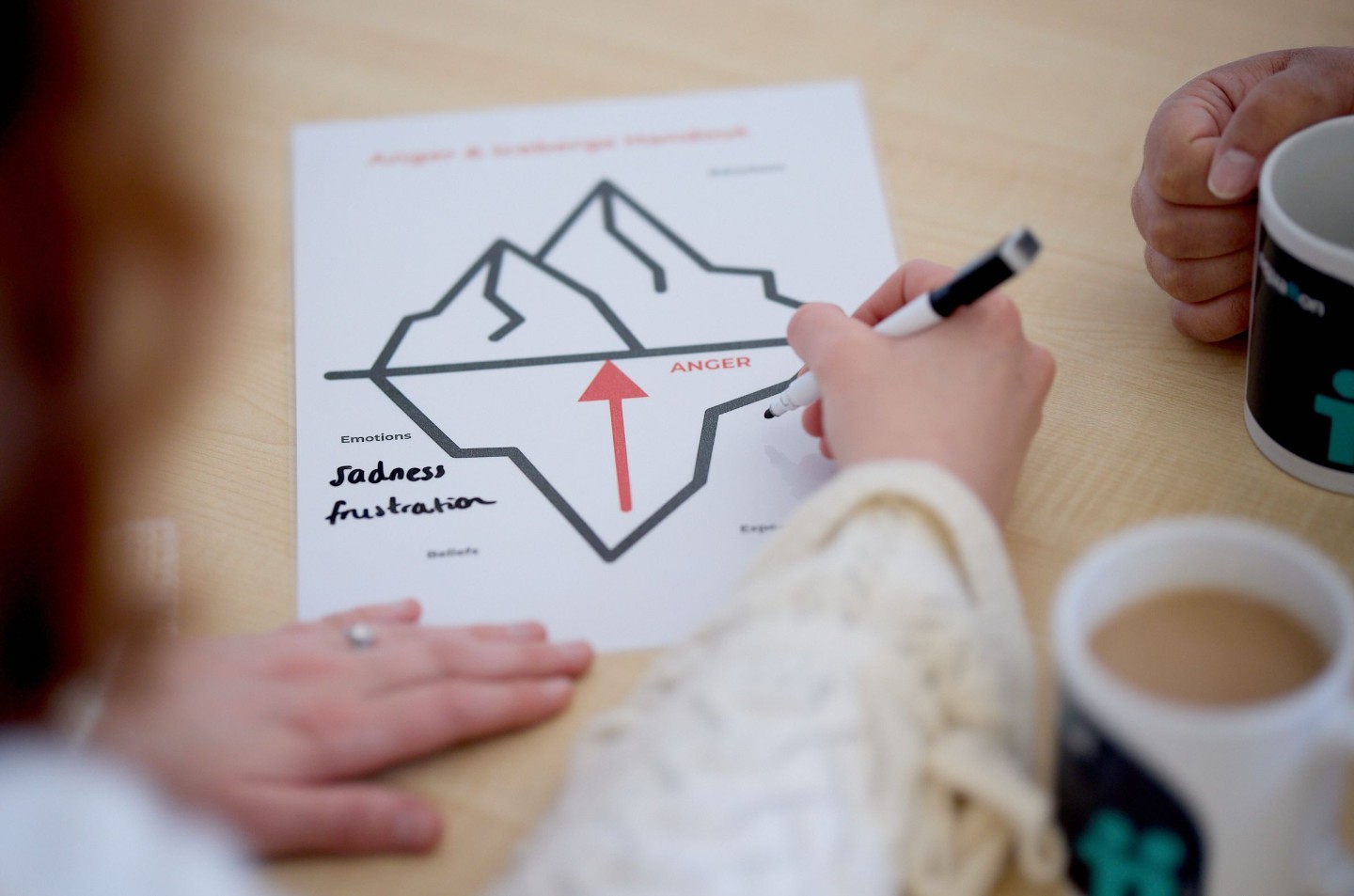
Toolkits for teachers
Prevention education works best when it’s part of a wider, whole-school approach. Alongside our classroom programmes, we can also provide toolkits which include training and specialist resources for teachers and professionals to work with children and young people on a one to one basis. Equation’s toolkits will build confidence to recognise signs of abuse and reinforce wider healthy relationship education and key messages.
Supporting the whole school
Prevention education works best when it’s part of a wider, whole-school approach. Alongside our classroom programmes, we offer:
Teacher training and briefings
For teaching and pastoral staff, building confidence to recognise signs of abuse and reinforce learning between sessions.
Early years training, resources and guidance
Specialist training, resources and guidance for all early years settings.
Workbooks and support resources for children and young people
For children and young people directly affected by domestic abuse, for use by the professionals supporting them.
The difference healthy relationships education makes
An independent evaluation of Equation’s Healthy Relationships programmes found that pupils consistently show improved understanding of consent, coercive control and unhealthy relationships after taking part. Blank and unsure responses about how to recognise an unhealthy relationship, and about where to seek support, dropped sharply following sessions.
The evaluation also found an increase in pupil safeguarding disclosures following sessions, alongside improvements in peer empathy, emotional regulation and conflict resolution reported by teachers. In the 2024/25 academic year, Equation reached over 28,000 children and young people across 113 primary and secondary schools in Nottingham and Nottinghamshire.
Frequently asked questions
We often get asked a lot of questions about our healthy relationships education for children and young people, please look at the information below to gain more of an understanding of how our work is delivered, who to and how we sensitively navigate complex issues.
What counts as a healthy or unhealthy relationship for children and young people?
Healthy relationships are built on respect, trust and equality, whatever a child’s age. We teach children and young people to recognise the signs of both healthy and unhealthy behaviour — for example, feeling listened to and able to say no, compared with being controlled, isolated or made to feel afraid. We keep this age-appropriate: younger children explore kindness, respect and boundaries with friends and family, while older students explore consent, coercive control and online safety within their own relationships.
Who delivers the sessions — Equation specialists or school staff?
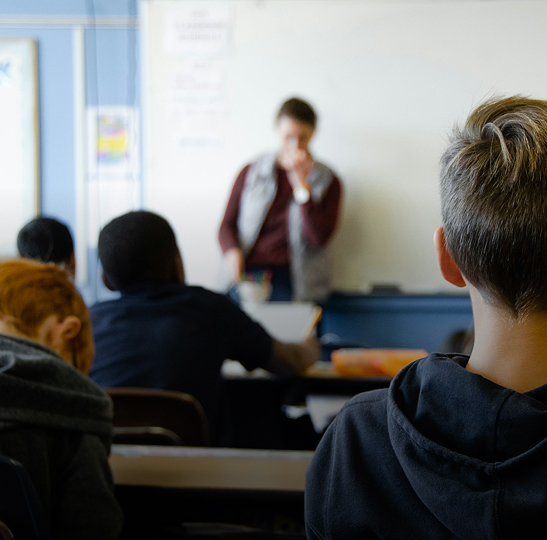
Our sessions are delivered by trained Equation facilitators, not classroom teachers. Feedback consistently shows that having a specialist in the room, someone separate from the everyday classroom relationship, helps students feel able to discuss sensitive topics openly. We also offer twilight training and briefings so teaching and pastoral staff can reinforce the learning and respond confidently if issues come up between sessions.
What should we do if a child discloses something during or after a session?
Follow your school’s usual safeguarding procedure. Our facilitators are trained to manage disclosures within the session, but the referral itself is always your school’s responsibility. It’s common, not unusual, to see more disclosures around this kind of work — our sessions are designed to open up conversations that a child may not otherwise have found the words for — and our facilitators will always let your safeguarding lead know before they leave the building.
Why do you start this work in primary school?
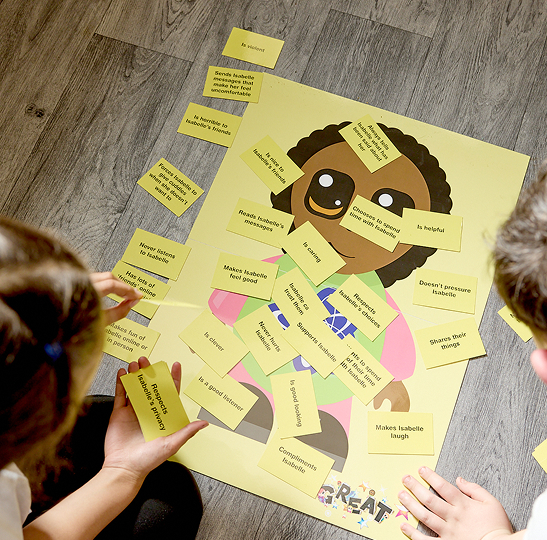
Evidence shows that early intervention is one of the most effective ways to help prevent domestic abuse later in life. Children form ideas about relationships long before secondary school, so starting early — through our GREAT programme for Years 5 and 6 — gives them the language and confidence to recognise unhealthy behaviour and ask for help, well before patterns become established.
How does this fit with our statutory RSHE curriculum?
Relationships Education is statutory at primary level, and Relationships and Sex Education (RSE) is statutory at secondary level, as part of Relationships, Sex and Health Education (RSHE). Updated government guidance was published in July 2025 and comes into force from September 2026. Our programmes are designed to complement your existing RSHE curriculum, covering areas such as healthy relationships, consent and coercive control that schools are already expected to teach, rather than duplicating or replacing your own provision.
Can parents and carers withdraw their child from these sessions?
Parents can request that their child is withdrawn from sex education, but not from Relationships Education or Health Education, both of which are compulsory. As our programmes fall mainly within relationships and health education, most schools are not able to grant a withdrawal request, though it’s worth checking your own RSHE policy. We’re happy to send parents more detail about a session’s content if that would help reassure them.
Get in touch
Want to learn more about our school projects? Whether you’d like us to deliver it at your school or have a question about our work, get in touch via our enquiry form. We’d love to hear from you.